When You Should Skip the Paperback Entirely
For business books used as gifts, conference giveaways, and lobby coffee tables, paperback hurts the author.
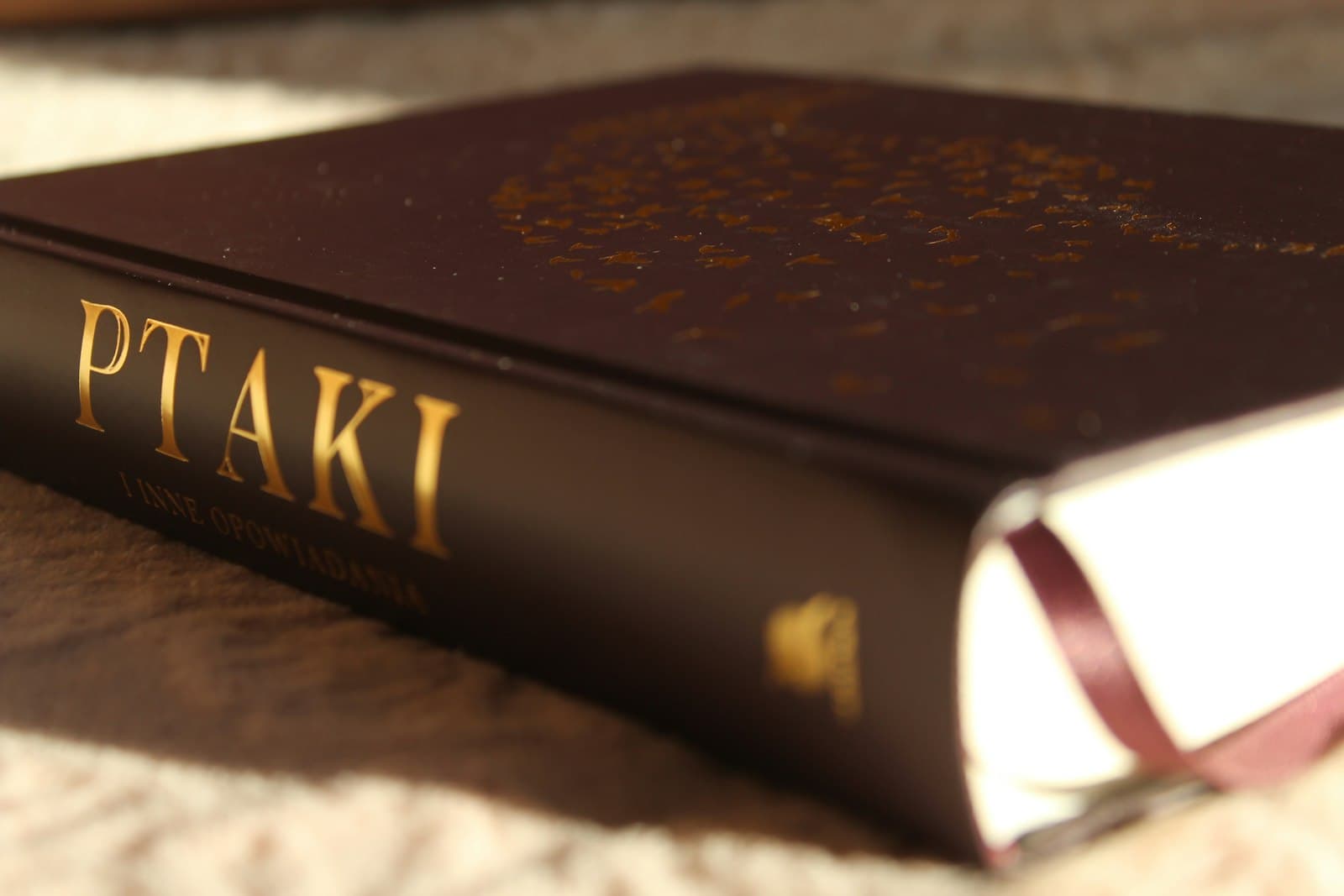
Plate I
The default advice for business-book authors used to be "release the hardcover first, then the paperback for the long tail." The 2026 version of that advice is: maybe don't release the paperback at all.
The reasoning is specific to business books and bears little weight on fiction or general nonfiction. Business books are bought for two reasons. Either someone is going to read it for what's in it, or someone is going to display it because of who wrote it. The display reader is most of the market by units.
For the display reader, a paperback is the wrong format. A coffee table in the lobby of a $100M consulting firm doesn't host paperbacks. A conference giveaway from a CEO speaker doesn't pay $40 a unit and hand out paperbacks. A holiday gift to a key client doesn't go in a hardcover slipcase if the book inside is a paperback.
The format that works for this audience:
- Trim size: 6 x 9 or 5.5 x 8.5. Smaller looks consumer. Larger looks textbook.
- Hardcover with case binding, not perfect-bound paperback. The spine signals durability and intent.
- French flaps on the dust jacket if budget allows. They cost roughly $0.50 per unit at run sizes of 1,000 plus and signal premium positioning.
- Cream paper, not white. The lighter weight and color is what differentiates a $30 hardcover from a $15 one in tactile terms.
- Custom interior design. If the book has frameworks, callouts, or sidebars, the interior is where production budget pays off.
What this costs: A 200-page hardcover with French flaps and custom interior design at IngramSpark Lightning runs $9 to $14 per unit at 1,000 to 5,000 copy runs. List prices typically land at $28 to $35. The unit economics support real production quality.
What it loses: the long tail of paperback impulse purchases through Amazon. For a fiction author, this is a real hit. For a business-book author whose actual goal is the consulting funnel and the speaking engine, it's a feature.
The CEOs and founders publishing through hybrid presses in 2026 increasingly skip the paperback decision entirely. The book that goes on the conference giveaway table in March and the lobby coffee table in May is the same book. It's a hardcover with a $34 list price. They never planned for a $14 paperback.
Filed under
Author Services is an editorial and production team running three imprints. We publish books for authors who want quality and keep their rights. Thinking about your own? Schedule a conversation.